Book your first
Appointment


You Don't Have to Meditate for 30 Minutes: Everyday Ways to Practice Mindfulness
Wednesday, November 25, 2026
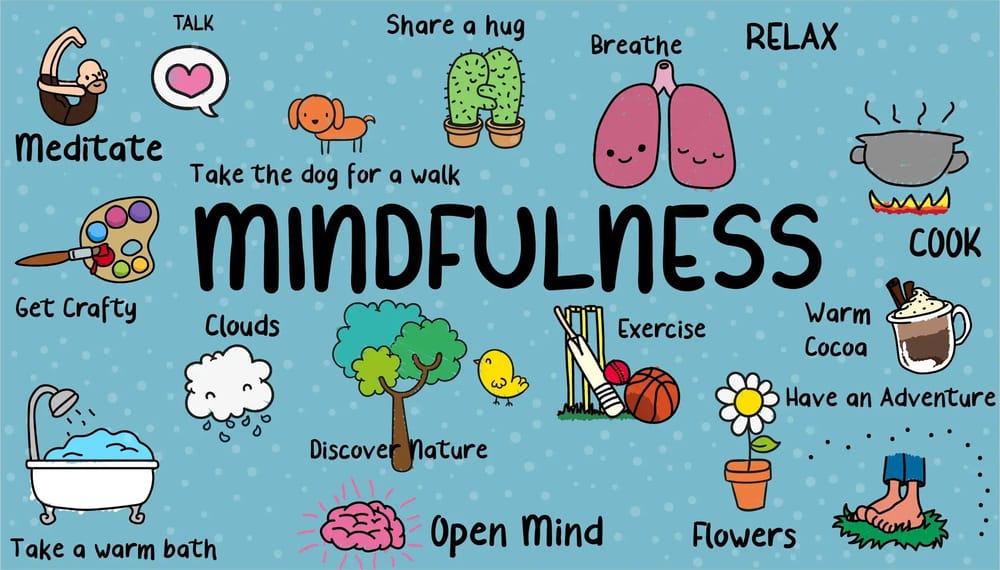
You Don't Have to Meditate for 30 Minutes: Everyday Ways to Practice Mindfulness
When you hear the word mindfulness, what comes to mind? Perhaps you picture someone sitting cross-legged in a quiet room, eyes closed, breathing peacefully for 30 minutes. Maybe you imagine a meditation app reminding you to slow down, even though your schedule barely leaves time to finish your morning coffee.
For many people, mindfulness sounds wonderful in theory but difficult to practice in everyday life. Between work, family responsibilities, and an endless stream of distractions, finding time to sit quietly can feel like another obligation on an already overwhelming to-do list.
But mindfulness doesn't require 30 minutes of meditation, complete silence, or the ability to empty your mind.
Mindfulness is simply the practice of paying attention to the present moment with curiosity and without unnecessary judgment. It can happen while drinking coffee, walking outside, preparing dinner, or listening to someone you love. And while formal meditation has important benefits, everyday moments of awareness can help us develop many of the same foundational skills.
Why Our Minds Spend So Little Time in the Present
Think about how often you move through your day on autopilot. You drive somewhere familiar and barely remember the trip. You eat lunch while answering emails, hardly noticing the food. Or you spend an evening mentally replaying something that happened at work instead of enjoying the people around you.
Our brains are constantly moving between memories, plans, worries, and responsibilities. This ability to think beyond the present is essential for everyday functioning, but it can also contribute to stress when we become caught in repetitive thoughts about things we cannot change or control.
Mindfulness helps us recognize when our attention has drifted and gently bring it back to what's happening right now.
Importantly, the goal isn't to stop thinking. Our minds naturally wander, and noticing that wandering is actually part of the practice. Each time we recognize that we're distracted and redirect our attention, we're strengthening our ability to be more intentional about where we place our focus.
Imagine watching clouds move across the sky. You can notice them without needing to chase, analyze, or change each one. Mindfulness encourages a similar relationship with thoughts and emotions. We learn to observe them without automatically treating every thought as a fact or every feeling as something that requires immediate action.
What Science Tells Us About Mindfulness
Research has linked mindfulness-based practices with improvements in stress, anxiety, depression, and emotional well-being.
A 2014 review published in JAMA Internal Medicine examined 47 clinical trials and found moderate evidence that mindfulness meditation programs could improve symptoms of anxiety, depression, and pain. Mindfulness-Based Cognitive Therapy (MBCT) has also demonstrated benefits in reducing the risk of depressive relapse for some people with recurrent depression.
Researchers believe mindfulness may support emotional regulation by helping people recognize thoughts and feelings before responding automatically. It encourages a shift from becoming completely absorbed in an experience to observing it with greater awareness.
For example, someone who receives a critical email might immediately feel defensive and begin composing an angry response. Mindfulness creates an opportunity to recognize the emotional reaction, notice the physical tension accompanying it, and choose how to respond rather than acting impulsively.
Most of the strongest research involves structured mindfulness programs practiced regularly over several weeks. A brief pause during the day isn't equivalent to completing a formal program, but it can help develop the fundamental skills of attention, awareness, and intentional responding.
And those skills can be practiced without adding another lengthy activity to your schedule.
Everyday Ways to Practice Mindfulness
One of the easiest ways to incorporate mindfulness is to connect it with something you're already doing. Rather than trying to create an entirely new routine, begin paying closer attention to ordinary experiences.
Your morning coffee or tea: Instead of immediately reaching for your phone, spend a minute noticing the warmth of the cup, the aroma, and the flavor of your first few sips. When your thoughts shift toward your to-do list, gently bring your attention back to the experience.
Walking: Whether you're walking outside or moving between rooms at work, notice the sensation of your feet meeting the ground, the rhythm of your steps, and the sounds around you. Walking can be particularly helpful for people who find sitting meditation uncomfortable or difficult.
Everyday chores: Washing dishes, folding laundry, and preparing dinner can become opportunities to practice awareness. Notice the temperature of the water, the textures of objects in your hands, or the movements involved in completing a task. The activity doesn't change, but your experience of it may.
Taking a three-breath pause: Before opening a stressful email, entering a meeting, or walking into your home after work, pause and notice three natural breaths. Become aware of how you're feeling physically and emotionally without immediately trying to change anything.
These practices don't need to be performed perfectly. You may notice your mind wandering repeatedly, and that's entirely expected. Recognizing the distraction and returning to the present is what makes it a mindfulness practice.
Mindfulness Isn't Always About Feeling Calm
One of the biggest misconceptions about mindfulness is that it's supposed to make uncomfortable emotions disappear.
Sometimes paying attention brings greater awareness of anxiety, frustration, sadness, or exhaustion. You might pause after a stressful day and suddenly recognize just how overwhelmed you've been feeling.
That doesn't mean mindfulness has made things worse. It may simply mean you're noticing an emotional experience that was already there.
Instead of thinking, "I shouldn't be feeling this way," mindfulness encourages a more compassionate response: "I'm noticing that I'm feeling overwhelmed right now."
This small shift can be meaningful because recognizing emotions gives us an opportunity to respond to them more intentionally. We might discover that we need rest, support, movement, a boundary, or a change in our circumstances.
Mindfulness doesn't mean passively accepting everything that happens. It means developing enough awareness to recognize what we're experiencing and make thoughtful choices about what comes next.
Using Mindfulness to Strengthen Relationships
Mindfulness can also influence how we connect with others. Consider how often we listen to someone while simultaneously preparing our response, thinking about what we need to do next, or deciding how to solve their problem.
Mindful listening involves giving someone our attention without immediately judging, interrupting, or offering advice. We focus on understanding what they're communicating rather than rushing to respond.
For example, when a partner shares something frustrating about their day, we might notice our impulse to offer solutions. Instead, we can pause and ask whether they want advice or simply need someone to listen.
Being fully present during a conversation can help others feel heard and supported. It also allows us to recognize our own emotional reactions before they interfere with communication. Sometimes mindfulness is as simple as putting down the phone and giving someone a few minutes of undivided attention.
When Your Mind Is Racing, Use Your Senses
During periods of anxiety or overwhelming stress, focusing on the present can feel particularly difficult. Sensory awareness can provide a more concrete starting point.
One commonly used grounding exercise is the 5-4-3-2-1 technique, which involves identifying five things you can see, four you can feel, three you can hear, two you can smell, and one you can taste.
You can also simplify the exercise by focusing on a single sensation. Notice your feet against the floor, listen to sounds outside your window, or pay attention to the feeling of warm water during a shower.
These activities help redirect attention toward your immediate surroundings rather than remaining entirely absorbed in distressing thoughts.
For some people, particularly those with trauma-related symptoms, focusing inward on breathing or bodily sensations can feel uncomfortable. In those situations, external grounding or movement-based mindfulness may be more supportive. The goal is to find an approach that feels accessible rather than forcing yourself into a practice that increases distress.
Consistency Matters More Than Duration
Many people abandon mindfulness because they believe they're doing it incorrectly. They try meditating, notice their thoughts wandering, and conclude that they simply aren't good at it.
But mindfulness isn't measured by how long you can remain completely focused. It's practiced each time you recognize where your attention has gone and gently bring it back.
Like any skill, awareness develops through repetition. A few intentional moments throughout the day can make mindfulness feel more approachable and easier to maintain.
You might begin by choosing one activity, such as drinking your morning coffee or taking a short walk, and practicing being fully present during that experience. Once it becomes familiar, you may naturally begin noticing other opportunities throughout your day.
Formal meditation remains valuable, and structured mindfulness programs may be especially helpful for certain mental health concerns. But you don't need to begin with an ambitious routine to explore what mindfulness can offer.
The most sustainable practice is often the one that fits naturally into your life.
Final Thoughts
Mindfulness is frequently presented as something that requires silence, discipline, and a significant commitment of time. But at its heart, mindfulness is about learning to experience life with greater awareness.
It's noticing when your thoughts have carried you away from the present. It's recognizing an emotion before automatically reacting to it. It's appreciating the warmth of your coffee, the rhythm of your footsteps, or the opportunity to genuinely listen to someone you care about.
These moments may seem small, but they create opportunities to interrupt autopilot, develop emotional awareness, and become more intentional in how we respond to everyday experiences. You don't have to empty your mind, achieve perfect calm, or dedicate 30 minutes each day to begin.
Mindfulness isn't about finding more time in your day. It's about being more present for the time you already have. And sometimes, that begins with nothing more than noticing the moment you're in.

Kimberly Sieper
Blue Lotus Wellness

Get Help Now...
If you are feeling lost, overwhelemed, depressed, sad, etc. book your first appointment now. You dont need to go through it alone. We can help.



PAGES
SOCIAL
HOURS OF OPERATION
Monday - Friday: 9am-7pm
Saturday: Closed
Sunday: Closed
Copyright © 2025 Blue Lotus Wellness, LLC. All Rights Reserved