Book your first
Appointment


More Than Exercise: How Movement Can Support Mental Health
Friday, November 13, 2026
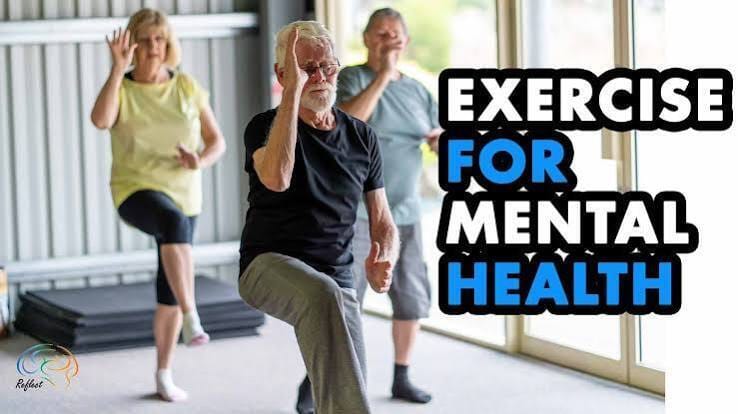
More Than Exercise: How Movement Can Support Mental Health
When we think about movement, we often think about exercise. Going to the gym, counting steps, burning calories, improving strength, or trying to fit another workout into an already busy schedule. Movement is usually presented as something we should do to improve our physical health, manage our weight, or stay in shape.
But what if movement could also help us process emotions, regulate stress, reconnect with our bodies, and improve our mental well-being?
Think about what happens when you're nervous before an important conversation. You might pace around the room without realizing it. When you're frustrated, you may feel an urge to walk, stretch, or shake out the tension in your hands. When you're happy, you might dance to a favorite song. And when you're overwhelmed, sometimes simply stepping outside and taking a walk helps you feel more grounded.
These responses aren't random. Our bodies and emotions are closely connected, and movement is one of the ways we naturally respond to what we're feeling.
Research increasingly supports what many people have experienced intuitively: movement isn't just something we do for our bodies. It can also influence how we think, feel, cope, and connect with ourselves and others.
From walking and yoga to dance, stretching, and therapeutic movement practices, physical activity can provide another pathway for supporting mental health. And perhaps most importantly, it doesn't have to look like traditional exercise to be meaningful.
The Mind and Body Were Never Meant to Be Separate
For a long time, mental health and physical health were treated as though they belonged in different categories. Emotional difficulties were something to discuss, analyze, or manage through thinking, while physical symptoms were addressed through the body. We now understand that this division is artificial.
Our emotional experiences are constantly influencing our physical state. Anxiety can increase heart rate and muscle tension. Depression can affect energy, posture, sleep, and motivation. Chronic stress can influence digestion, breathing, pain sensitivity, and immune function. The relationship also works in the opposite direction. What we do with our bodies can influence what happens in our brains.
Movement activates sensory and motor systems, changes cardiovascular activity, influences stress-related physiology, and affects chemical messengers involved in mood and motivation. It can also shift attention away from repetitive thinking and toward what is happening in the present moment.
Consider how different you might feel after spending several hours sitting at a desk, mentally replaying a difficult conversation, compared with how you feel after taking a walk outside. The situation itself hasn't changed, but your physical and emotional state may have shifted. Movement gives the brain new information and creates an opportunity to respond differently.
What Happens in the Brain When We Move?
The mental health benefits of physical activity are supported by a growing body of research. Scientists have identified several biological and psychological processes that help explain why movement can influence mood, stress, and emotional functioning.
One important area involves neurotransmitters, the chemical messengers that help brain cells communicate. Physical activity can influence systems involving serotonin, dopamine, norepinephrine, and endocannabinoids, all of which play roles in mood, motivation, reward, and stress responses.
Dopamine, for example, is involved in motivation and reward-based learning. When someone is experiencing depression, even ordinary activities can begin to feel less rewarding or require tremendous effort. Movement may help support some of the biological processes involved in motivation while also creating opportunities for positive experiences and a sense of accomplishment.
Physical activity also influences brain-derived neurotrophic factor (BDNF), a protein involved in supporting neurons and the brain's ability to adapt and form connections. BDNF plays an important role in neuroplasticity, the process through which the brain changes in response to learning and experience.
Researchers have found that certain forms of exercise can increase circulating BDNF, although the relationship between these changes and improvements in mental health is complex. It would be an oversimplification to suggest that movement directly creates new brain connections every time we take a walk. However, the research helps illustrate how physical activity can support biological conditions associated with brain health and adaptability.
Movement can also influence the body's stress-response systems. Regular physical activity is associated with improvements in stress regulation, sleep, and emotional well-being, all of which can affect how we respond to everyday challenges. The result is that movement can influence mental health through several pathways at once, rather than through one single brain chemical or mechanism.
Movement as a Tool for Anxiety and Stress
When anxiety increases, the body often prepares for action. Muscles tighten, breathing changes, the heart may beat faster, and attention becomes focused on possible threats.
These responses are part of the nervous system's protective functions. They're useful when we need to respond to actual danger, but they can become exhausting when activated by everyday stressors, uncertainty, or persistent worry. Movement can provide a constructive way to work with some of this physical activation.
For example, walking may help redirect attention from anxious thoughts toward the environment. Gentle stretching can increase awareness of muscle tension and provide an opportunity to release unnecessary bracing. Rhythmic movement, such as walking, cycling, or dancing, may also help some people settle into a steadier pattern of breathing and attention.
Importantly, movement doesn't have to eliminate anxiety to be helpful.
Someone who feels nervous before a presentation may still experience anxiety after taking a walk. But they might notice that their breathing feels more comfortable, their thoughts are less crowded, or they have a greater sense of being able to manage the situation. This distinction matters. The goal of movement for mental health isn't always to make an uncomfortable emotion disappear. Sometimes it's to change how we experience and respond to that emotion.
Research supports physical activity as a useful intervention for anxiety symptoms, although the strength of the evidence varies across different forms of movement and populations. Regular movement can be an important complement to psychotherapy and other treatments, particularly when anxiety is accompanied by restlessness, muscle tension, or chronic stress.
Why Movement Can Be Especially Helpful for Depression
Depression can create a difficult cycle. When someone feels depressed, energy and motivation often decrease. Activities that once felt enjoyable may become exhausting or uninteresting. As a result, the person may withdraw from movement, social activities, and everyday routines that previously supported their well-being. Unfortunately, reduced activity can sometimes reinforce the very symptoms that made movement difficult in the first place. This is one reason physical activity has received considerable attention in depression research.
A major 2024 systematic review and network meta-analysis published in The BMJ examined 218 randomized controlled trials involving more than 14,000 participants with depression. Researchers found that walking or jogging, yoga, strength training, and several other forms of exercise were associated with reductions in depressive symptoms. The authors concluded that exercise can be considered alongside psychotherapy and medication as a treatment option for depression, while acknowledging limitations in the quality of some studies.
These findings are encouraging because they suggest that different forms of movement may offer benefits, allowing people to choose activities that fit their abilities, preferences, and circumstances.
However, telling someone with depression to "just exercise" misses an important part of the experience. Depression can make starting an activity feel extraordinarily difficult, even when the person understands that it might help.
A more compassionate approach begins with reducing the barrier. Instead of committing to a demanding workout, someone might begin with five minutes of walking, stretching while watching television, or putting on one song and moving around the room. The purpose isn't to achieve a fitness milestone. It's to create a manageable opportunity for engagement, movement, and perhaps a small shift in mood. Sometimes the first success isn't feeling better afterward. It's simply discovering that you were able to begin.
Movement Can Help Us Reconnect With Our Bodies
One of the less frequently discussed benefits of movement is its potential to improve our relationship with our bodies. Many people spend much of their day focused on thoughts, responsibilities, screens, and external demands. They may not notice how much tension they're carrying until they develop a headache or realize their shoulders have been raised for hours.
Others experience a more significant sense of disconnection from their bodies, particularly during periods of chronic stress or following traumatic experiences. Movement can help bring attention back to physical sensations in a way that feels manageable and intentional. This involves a concept called interoception, our ability to notice and interpret signals from inside the body, such as breathing, heartbeat, hunger, temperature, and muscle tension.
Another related process is proprioception, which helps us sense where our bodies are in space and how different parts are moving. When we stretch, sway, balance, walk, or shift our weight, we receive information about our physical experience. These sensations can help anchor attention in the present moment rather than remaining entirely absorbed in worries, memories, or imagined future events.
For example, someone who feels overwhelmed might stand up, press their feet into the floor, gently move their shoulders, and notice how their weight shifts from one foot to the other. The movement itself is simple, but it creates an opportunity to notice the body without immediately judging or trying to change what is happening.
For people who have spent years feeling disconnected from their physical experience, learning to notice sensations with curiosity rather than fear can be an important part of emotional well-being.
Dance and Movement Therapy: When Movement Becomes Psychotherapy
While everyday physical activity can support mental health, there are also formal therapeutic approaches that use movement as part of psychological treatment.
Dance/Movement Therapy is a form of psychotherapy that uses movement and nonverbal expression to support emotional, cognitive, physical, and social integration. Despite its name, Dance/Movement Therapy doesn't require dance training, coordination, or the ability to perform choreographed movements. Sessions may involve simple gestures, stretching, walking, mirroring, posture, rhythm, or other forms of physical expression. The focus is not on how the movement looks. It's on what the movement communicates and how it relates to the person's emotional experience.
Imagine someone who struggles to express anger. They may have learned early in life that anger is unacceptable, dangerous, or something to suppress. During movement-based therapy, they might begin noticing how their body responds when discussing frustration. Perhaps their hands tighten, their shoulders become rigid, or they feel an urge to push something away.
A trained therapist may help them explore these physical responses and experiment with safe, intentional movement that allows the emotion to be acknowledged and expressed. Movement can sometimes make an emotional experience more accessible when words are difficult to find.
Research on Dance/Movement Therapy is promising. A 2019 meta-analysis examining dance and dance/movement therapy interventions found improvements across several psychological outcomes, including depression, anxiety, and quality of life. The researchers also noted differences among studies and the need for additional high-quality research. This growing field highlights an important idea: emotional expression doesn't always have to begin with conversation. Sometimes movement becomes another language.
Yoga, Mindfulness, and the Power of Slowing Down
Not all movement needs to be energetic to influence mental health.
Gentle yoga, mindful stretching, tai chi, and other slow, intentional movement practices combine physical activity with attention, breathing, and awareness. These practices can be particularly helpful for people who find traditional seated meditation difficult. Someone who struggles to sit quietly and observe their thoughts may find it easier to practice mindfulness while moving. Paying attention to the sensation of stretching, the placement of the feet, or the rhythm of breathing provides a concrete focus for attention.
Yoga is one of the more extensively studied mind-body practices. Research suggests that yoga may help reduce symptoms of stress, anxiety, and depression in some populations, although results vary depending on the style, frequency, and population studied. Part of its appeal is that yoga combines several elements that can support well-being: physical movement, breathing, focused attention, and opportunities to notice bodily sensations. For some people, this creates a sense of calm. For others, it provides an opportunity to practice tolerating discomfort, remaining present, or recognizing when the body needs rest. The therapeutic value isn't necessarily found in achieving a difficult pose. It may be in learning to listen to the body and respond with greater awareness.
The Connection Between Movement, Trauma, and Emotional Safety
Traumatic experiences can influence how people respond to physical sensations, movement, and their surrounding environment. Some individuals become highly sensitive to bodily signals associated with danger, while others experience numbness, disconnection, or difficulty recognizing what they're feeling.
Trauma-informed movement practices may help people gradually rebuild a sense of connection with their bodies.An important principle is choice. Rather than being instructed to perform a movement in a particular way, individuals may be encouraged to notice what feels comfortable, decide whether to participate, and experiment with movements at their own pace. This can be especially meaningful for people whose traumatic experiences involved a loss of control. For example, a person might be invited to notice how it feels to stand, sit, stretch, or move their arms. They may discover that certain movements feel grounding while others create discomfort.
The goal is not to force someone through an intense emotional experience or assume that physical movement automatically releases trauma. Instead, trauma-informed movement emphasizes awareness, agency, and the gradual development of a more comfortable relationship with bodily sensations.
Approaches such as trauma-sensitive yoga and somatic psychotherapy may incorporate these principles. Research into trauma-sensitive yoga has shown encouraging findings for some individuals with PTSD, although it is generally best understood as a complementary approach rather than a replacement for established trauma-focused treatments.
For someone who has learned to experience their body primarily as a source of discomfort or threat, discovering that movement can also create feelings of strength, comfort, and choice may be particularly meaningful.
Movement Can Strengthen Connection With Others
Movement doesn't have to be a solitary activity. Walking with a friend, dancing with a partner, attending a yoga class, joining a recreational sports group, or participating in a community movement activity can create opportunities for connection. This matters because social relationships are closely tied to mental health.
Shared movement can provide a way to connect without the pressure of constant conversation. Sometimes people find it easier to talk about difficult experiences while walking side by side rather than sitting face to face. Other times, the connection happens without much talking at all. Moving together to music, following a shared rhythm, or participating in a group activity can create a sense of belonging and shared experience.
For someone experiencing depression, loneliness, or social withdrawal, a regular movement-based activity may offer both physical benefits and an opportunity to reconnect with others. The activity itself doesn't need to be complicated. A weekly walk with a friend can be meaningful precisely because it combines movement, routine, fresh air, and human connection.
Moving for Mental Health Doesn't Have to Look Like Exercise
One of the biggest barriers to using movement for mental wellness is the belief that it only counts if it's structured, intense, or long enough to produce measurable fitness results. But movement doesn't have to involve workout clothes, a gym membership, or an activity tracker. It can be woven into ordinary life in ways that feel natural and enjoyable.
You might put on a favorite song and dance while preparing dinner. Take a short walk between meetings. Stretch after sitting at your desk. Walk outside when you notice yourself becoming overwhelmed. Practice gentle yoga before bed, or spend a few minutes moving your shoulders, hands, and feet when stress begins building.
These activities may seem small, but they create opportunities to shift attention, notice physical sensations, interrupt prolonged inactivity, and respond to emotional needs. It can also be helpful to stop evaluating movement entirely through the lens of productivity. Not every walk needs to burn calories. Not every yoga session needs to improve flexibility. Not every dance needs to be graceful. Sometimes the purpose is simply to feel more connected to yourself.
Learning to Ask Your Body What It Needs
One of the most useful ways to incorporate movement into emotional wellness is to become curious about what your body may be asking for. Different emotional states may call for different kinds of movement. When you're restless or agitated, a brisk walk or more energetic movement might feel helpful. When you're exhausted or emotionally overwhelmed, gentle stretching or slow movement may be more appropriate.
If you're feeling disconnected or numb, moving to music might help you notice sensations and emotions. If your thoughts are racing, rhythmic walking or mindful movement may provide a more manageable focus for attention.
You can begin with a few simple questions:
- What am I noticing in my body right now?
- Do I feel tense, restless, heavy, tired, or disconnected?
- Would movement, stillness, or rest feel most supportive?
- What kind of movement feels accessible today?
The goal isn't to find a perfect answer. It's to develop a more responsive relationship with your physical and emotional experience.
This also means recognizing that sometimes the body needs rest rather than activity. Movement is one tool for mental wellness, not another obligation to push through regardless of how you feel.
Final Thoughts
Movement is often presented as something we do to change how our bodies look or perform. But its influence reaches far beyond physical fitness. Research suggests that physical activity can support mood, reduce symptoms of anxiety and depression, influence stress regulation, and contribute to brain health. Movement-based therapeutic approaches also offer opportunities to explore emotions, improve body awareness, and develop a greater sense of connection with ourselves.
Perhaps most importantly, movement reminds us that mental health isn't something that happens only in our thoughts.
Our emotions are experienced through the whole body. Stress can tighten our muscles. Fear can change our breathing. Joy can make us want to dance. Grief can leave us feeling physically heavy. And sometimes changing how we move can influence how we feel.
You don't have to become an athlete, follow a complicated routine, or measure every step to experience the emotional benefits of movement. You can begin with a walk, a stretch, a favorite song, or simply standing up and noticing how your body wants to move. Sometimes the most meaningful movement isn't about getting somewhere. It's about finding your way back to yourself.

Kimberly Sieper
Blue Lotus Wellness

Get Help Now...
If you are feeling lost, overwhelemed, depressed, sad, etc. book your first appointment now. You dont need to go through it alone. We can help.



PAGES
SOCIAL
HOURS OF OPERATION
Monday - Friday: 9am-7pm
Saturday: Closed
Sunday: Closed
Copyright © 2025 Blue Lotus Wellness, LLC. All Rights Reserved